

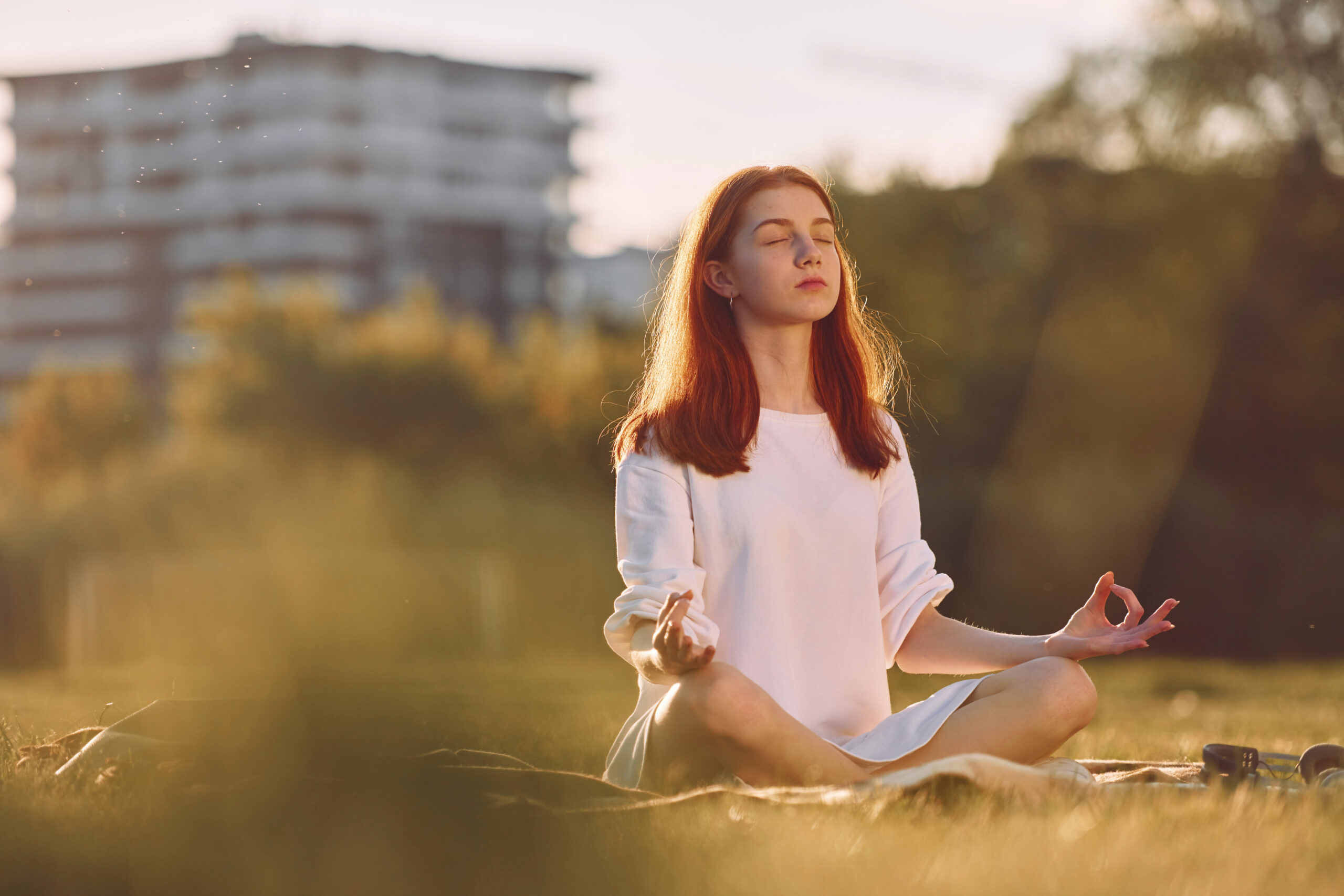
Have you ever gone to bed feeling stressed, only to find your mind racing the moment your head touches the pillow?
Your mind wanders continuously, replaying conversations, worrying about tomorrow’s duties, work, family, bills, health, or a thousand other things that need urgent attention.
You’re not alone. It happens to other people too.
Stress and anxiety have become so common that people now accept the symptoms as part of modern life. In fact, millions of people around the world are presently affected by chronic stress and this can influence everything from energy level to focus, sleep and overall health.
Most times, people easily reach out for drugs to feel calmer but here’s the good news. You don’t always need medication to reduce stress and anxiety.
Research shows that there are many simple lifestyle habits that can reduce stress, help you feel more relaxed and also improve your emotional well-being.
You know what’s most interesting?
Most of these habits are very free, easy to start and have been proven to yield results beyond every reasonable doubt.
In this article, you’ll discover 12 science-backed natural ways to reduce stress and anxiety that can help you feel better, think more clearly and improve your overall health.
Why Stress and Anxiety Feel So Common Today
Our brains were naturally made to protect us from danger.
Thousands of years ago, stress was a very important and useful part of life because it helped humans survive threats like predators, food shortages and harsh weather. Immediately the danger passed, the body would relax again.
But life today is very different and advanced. There are many more things that stress people and instead of running from danger, we are dealing with money worries, overflowing inboxes, traffic, deadlines, constant phone alerts.
These things never stop and so, the body remains very alert for a very long time. As days run into days and months into months, the stress piles up, becomes chronic and then the body produces stress hormones called cortisol and adrenaline. Overtime, this may lead to:
- Fatigue and weakness
- Poor sleep/insomnia
- Zero focus and concentration
- Mood swings
- Increased anxiety
- Emotional exhaustion
- Weight gain, especially around the abdomen
For a more detailed work on how chronic stress can affect your overall health, read: How Working from Home Impacts Your Mental Health And 10 Ways to Guard Against It
It is such a pleasant news that little daily habits can help break this cycle of stress and train your body on how to return to a calmer state.
Let’s look at some of those habits:
1. Move Your Body More Often
This is a very healthy and assured way to reduce stress and anxiety. Exercise more often and avoid artificial means of relaxation that may end up complicating matters. If there were a pill that improves mood, enhances sleep, reduces stress and even develops overall health all at once, it will definitely become the most prescribed treatments in the medical world.
But you don’t even need that because exercise comes close to whatever that can give you.
Why Exercise Works

Physical activities trigger the body to release endorphins, which is also called the body’s natural ‘feel-good’ chemicals. It also helps reduce cortisol levels, improves blood circulations and brain function.
Studies have shown that consistent physical activity greatly reduces the symptoms of anxiety and improves emotional strength.
According to American Psychological Association, exercise is a very effective way to manage stress and develop mental health.
American Psychological Association’s guide to exercise and stress relief
What This Looks Like in Real Life
Many people think that they would have to spend hours in the gym for stress relieving exercise. Well, as much as that can help, you must not go there.
As a busy parent who may not have that time, you can take a 20-minute evening walk everyday.
Students can dance in their room in between study sessions to reduce mental tension and exhaustion.
The goal is not perfection or having it all planned. It is about movement. Just move and ensure your body stretches while at it.
Quick Tip
Try one of these activities:
- Brisk walking
- Cycling
- Swimming
- Dancing
- Yoga
- Light jogging
- Strength training
You can participate in any of these activities for at least 15-30 minutes most days of the week.
Common Mistake
Many people start on a very intense level for just few days and then stop. That is not right. Consistency is actually more important that intensity. It is more beneficial to often take a 20-minute walk consistently than just a very hectic workout session once in two weeks.
2. Practice Deep Breathing Techniques
Can you take some time to think about how you breathe when you are stressed or anxious?
You will notice that your breath becomes very shallow.
Your heart beats so fast and your chest even tightens. This is not a random feeling , that is how your body naturally reacts to danger. It is called fight-or-flight response.
So, instead of breathing fast, you can practice and change your breathing pattern immediately you feel stressed. That will help send a signal back to your brain that you are safe.
Why Deep Breathing Works
Deep breathing helps activate the parasympathetic nervous system, also known as the ‘rest and digest’ system. .
This helps:
- Slow heart rate
- Reduce blood pressure
- Relax the muscles
- Reduce feelings of panic
- Increase calmness
In other words, your breathing can influence how stressed you feel.
Try the 4-4-6 Method
It is one of the simplest stress management techniques you can use anytime, anywhere.
Here’s a simple exercise:
- Inhale through your nose for about 4 seconds.
- Hold your breath for another 4 seconds.
- Exhale slowly through your mouth for 6 seconds.
- Repeat this for several minutes.
This is such a powerful technique as many people notice a calming effect almost immediately.
Real-Life Example
Imagine you’re about to attend an important interview, presentation or even exams.
Your hands become shaky and your palm sweaty. Taking about three to five minutes to breathe slowly and reply can help reduce that physical tension. You will definitely feel more composed before stepping into the room.
Did You Know?
Research has proven that slow and controlled breathing improves heart rate variability which greatly helps regulate your emotions and increases your resilience when stressed.
For more practical guidance on breathing exercises and relaxation techniques, you can check out the National Health Service (NHS)
Breathing exercises for stress
3. Prioritize Quality Sleep
One poor night’s sleep can mess a lot of things up. It can make everything feel harder and bigger. You start your day feeling very weak and anxious already.
Patience becomes almost impossible, problems seem bigger than they really are, and little inconveniences feel overwhelming.
That’s because poor sleep is one simple way to feel stressed.
Stress affects sleep and poor sleep increases stress.
Why Sleep Is So Important
During sleep, the brain processes thoughts, emotions , consolidates memories and repairs the body. Without enough sleep, the stress hormones(cortisol and adrenaline) increases, making it more difficult to control anxiety and everyday challenges.
Sleep is one of the most effective natural stress relief methods because it helps regulate the response of the body to pressure and emotional problems.
Signs Stress May Be Affecting Your Sleep
- Difficulty falling asleep
- Waking up frequently while sleeping
- Feeling tired no matter how long you sleep
- Racing thoughts at bedtime
- Waking up feeling anxious and stressed.
Practical Ways to Improve Sleep
- Maintain a consistent bedtime
- Avoid screens before bed
- Turn off the lights and create a cool dark environment
- Reduce caffeine intake during the day
- Develop a relaxing nighttime routine that helps you relax
Small improvements in sleep quality brings good improvements in mood and stress levels.
Expert Insight
Sleep specialists always describes sleep as major foundation of mental wellness because it affects almost every system in the body.
It is naturally easier to manage stress when you sleep better and intentionally develop good sleeping habits.
4. Spend More Time in Nature
Have you ever noticed how refreshed you feel when you spend time outside?
It could be a walk in the park, a very calm moment near water or even just sitting under a tree far from traffic and noise.
That feeling is so heavenly, words may not even do justice to describing it.
Why Nature Helps Reduce Stress
Studies have shown that spending time in natural environments may help lower cortisol levels and reduce mental fatigue.
Nature just gives that calm that many other modern environments don’t.
There, you are at peace, no constant stimulations, endless notifications, crowded inbox, or the pressure to respond immediately, just a space to breathe and rest. Spending time outdoors is one of the most overlooked but efficient healthy ways to manage stress naturally.
What Counts as Nature?
You don’t need to do too much or go on an expensive vacation. There are other very simple ways to experience the calmness nature brings.
Simple options include:
- Walking in a local park
- Gardening
- Sitting outside during lunch
- Visiting a beach
- Hiking a nearby trail
- Spending time around trees and greenery
Real-Life Example
Someone who had just worked on the computer for eight hours may find out that a very simple 15- minute walk outside will dramatically increase focus and mood for the remaining part of the day. .
Did You Know?
Researchers in different countries have discovered that people who stay around green environment or spend more time there have lower stress levels and better overall mental health.
The Mayo Clinic also highlights spending time outdoor as part of a healthy lifestyle that supports mental wellbeing.
How spending time in nature benefits mental health
Stress relief doesn’t just stop there. In fact, some of the most powerful science-backed techniques are more concerned about how you work in your mind, manage your attention and communicate with the people around you.
5. Practice Mindfulness and Meditation
Mindfulness helps calm the mind.
The human mind hardly stays in the present moment. Instead, it jumps on different thoughts about regrets from the past and worries concerning the future. This is one reason stress feels so overwhelming and never ending. .
What Is Mindfulness?
Mindfulness simply means focusing on the things happening presently without judgement. This does not need a special retreat, mountain separation, hours of free time or a dramatic announcement, you just need to be fully present in the moment, go through the bad and good times, and carefully meditate on everything.
Why It Works
Studies have shown that regular mindfulness practice helps reduce the activities associated with worry, excessive thinking and rumination around the brain.
Over time, mindfulness can help you:
- Feel calmer during stressful situations
- Improve concentration and focus
- Reduce anxious thinking
- Increase emotional resilience and strength
Mindfulness is one of the most effective ways to reduce anxiety without medication because it teaches your brain to respond differently to stressful thoughts rather than automatically reacting to them.
A Simple Way to Start
Sit for five minutes and ensure you’re comfortable
Focus on your breathing.
When your mind starts thinking of something else, gently bring your attention back to your breath.
That’s it.
Many beginners conclude that they’re “bad” at meditation because their minds wander but that’s not true, bringing your mind back when it wanders is part of the practice.
Common Myth
Many people think meditation completely empties the mind but no, it doesn’t. Even meditators who are very experienced have thoughts. Meditation does not stop your thinking, it only stops your mind from getting carried away by every thought.
For beginners interested in mindfulness, Harvard Health’s mindfulness meditation guide provides very useful insights and guidance.
6. Reduce Your Caffeine Intake
Some persons take coffee every morning, it has become a ritual and for others, it is for survival.
But if you have ever felt restless, unusually jittery or even anxious after taking caffeine, that’s a sign for you to drastically reduce your intake.
Why Caffeine Can Increase Anxiety
Caffeine stimulates the central nervous system and this can cause temporal alertness and energy. It can feel great and strong at first but after a while, your body starts reacting to that stimulation by interpreting every feeling as stress.
In sensitive individuals, caffeine may:
- Increase heart rate
- Cause nervousness and restlessness
- Increase anxious thoughts
- Affect sleep patterns
Signs Caffeine Might Be Affecting You
Ask yourself:
- Do you feel cranky after taking coffee?
- Does your heart race unexpectedly?
- Do you feel more anxious on days when you drink more than one cup?
- Do you suffer insomnia after taking caffeine?
If you answered yes to several of these questions, then, you really have to reduce your caffeine intake.
What to Do Instead
You don’t necessarily need to quit completely.
Try:
- Reducing portion sizes
- Switching to other options that contain lower-caffeine
- Avoiding caffeine late in the day
- Drinking enough water at every chance you get.
- Replacing some coffee with healthy herbal tea
These changes may look little but most times, the great results are found in little steps.
Quick Tip
If you’re always tired, don’t just quickly assume you need more caffeine. You may actually need more sleep and rest.
Many people searching for natural remedies for anxiety are surprised to discover that cutting down on caffeine intake was all they needed for a great improvement.
7. Strengthen Your Social Connections
People easily isolate themselves from others when they feel stressed. They stop answering calls, cancel appointments, lose interest in things they love doing and prefer to just stay alone and indoors.
It is okay to take out time and stay away from the noise outside but when it becomes prolonged, it does not help in any way. Instead, you get more stressed and emotionally drained.
Why Human Connection Matters
Humans are naturally social beings. They are wired to interact, connect and communicate.
Relationship is the foundation for communication and having supportive connections provide emotional support, practical help and a sense of belonging.
No man is an island, no one can survive alone, we all need support, help and love one way or the other. Research has consistently shown that strong social relationships strengthen mental health and reduces stress.
The Science Behind It
Healthy social interactions increases the bonding hormone called oxytocin. This hormone supports trust, connection and emotional safety.
So, healthy relationships help your nervous system feel more safe and secure. It brings calmness, health and strength to your entire body.
Real-Life Example
Imagine you’ve had a terrible day.You just came in feeling very frustrated, mentally exhausted and overwhelmed. Then, you call a close friend who listens patiently without judging you in any way.
Nothing about the problem changed but somehow you feel better, lighter and more calmer.
That’s how powerful emotional support can be.
Practical Ways to Reconnect
- Call a dear friend
- Visit a family member
- Join a community of trusted people
- Go out or see a movie with loved ones
- Have fun or meaningful conversations instead of endless texting
Most times, connection itself becomes part of the healing process.
Expert Insight
Many psychologists view strong and healthy relationships as one of the most protective measures against chronic stress, anxiety and emotional burnout.
Building stronger relationships or building a community is one of the most overlooked healthy ways to manage stress, but it gives faster emotional relief.
8. Keep a Journal
Have you noticed that a problem feels bigger than it actually is when it is all up in your head alone?
Trapping thoughts in your head will only generate more problems for your body. Write down your worries, communicate your feelings in a journal. This can help recycle your thoughts, bring clarity and reduce anxiety.
Why Journaling Works
Journalling helps you process thoughts and emotions rather than carrying them around all day. It helps organize thoughts, release pressure and identify things that make have repeatedly made you stressed.
Journalling also declutters your mind and helps you pour out every burden on the pages of your diary.
What Science Suggests
Researchers have discovered that expressive writings help reduce anxiety, improve emotional health and overall mental wellbeing.
Journalling may not solve every challenge but it can help you approach issues better, more calmly and reasonably.
Simple Journaling Prompts
Try writing about:
- Issues presently stressing you out
- The blessings you’re grateful for
- Three things that went well and as planned
- A challenge you’re trying to solve
- Goals you’re working toward.
The “Brain Dump” Technique
This technique has been confirmed as a very healthy way to reduce mental chatter and improve sleep.
Take out five minutes before bedtime to write down every thought occupying your mind.
Don’t bother yourself about structure, grammar rules, or any other thing that will make you careful.
Just express yourself, write until you feel lighter and better.
Did You Know?
You must not get a book before you can journal. It does not have to be handwritten. Some persons use note apps, digital journals or even voice notes and still experience the same results.
9. Practice Gratitude Daily
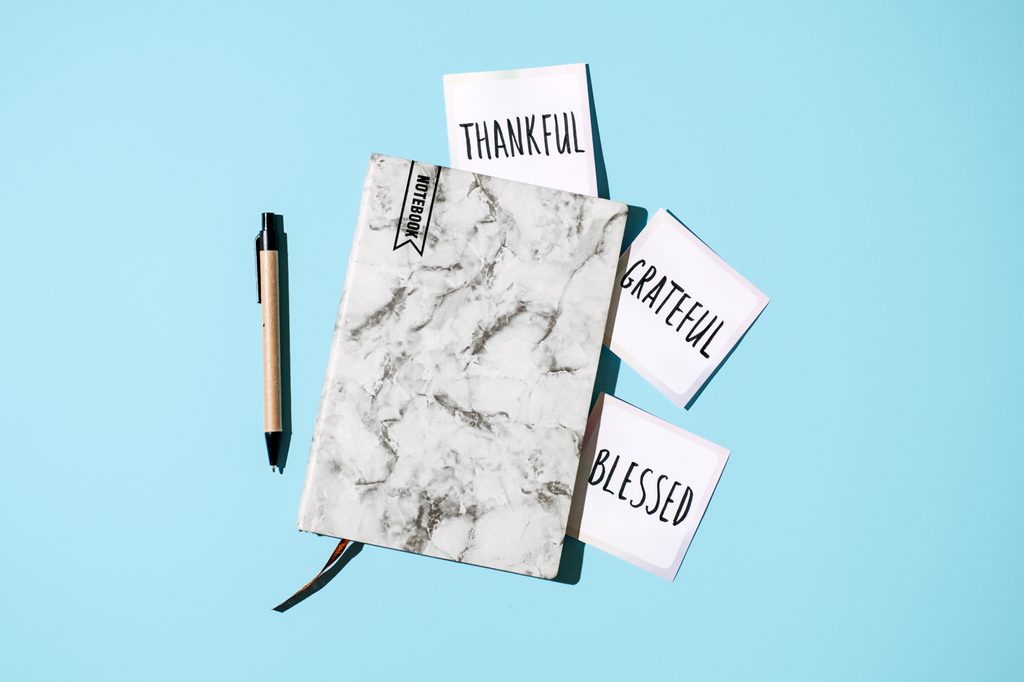
When you are stressed, the brain naturally focuses on challenges. Complains fills your heart and then you easily notice things that don’t seem to go well.
It’s a survival mechanism but gratitude helps to shift that focus. This does not mean pretending that problems don’t exist, rather , it means deliberately choosing to pay more attention to the good things.
Why Gratitude Works
Gratitude doesn’t ignore challenges but it intentionally notices the good things that also exist.
Research has shown that gratitude practices brings:
- Greater satisfaction in life
- Lower stress levels
- Improved emotional well-being
- Increased hope and joy in all situations.
A Simple Example
Imagine two persons experiencing the same difficulties in the office. One focuses only on the things going wrong and the other acknowledges the challenges but also notices good friends, opportunities, good health and other little victories.
Who do you think will feel better and more balanced?
The grateful person of course.
Gratitude is a strong cure for stress and anxiety. It brings calmness and hope.
Easy Gratitude Habit
Every evening, write down three things you are happy and grateful for.
They must not be major achievement. No matter how little they seem, just write them down from your heart.
Examples include:
- A good conversation
- A calm morning
- A delicious meal
- A loyal friend
- Good health
- Completing an important task
Did You Know?
Studies have shown that a lifestyle of gratitude trains the brain to notice positive experiences easily which will also make you calm and glad.
This is very important because what we focus on or notice consistently easily shapes how we feel.
Practicing gratitude is one of the simplest daily habits that reduce anxiety and supports overall emotional wellbeing.
By now, you’ve learned nine powerful, science-backed stress relief techniques that can help you feel calmer naturally but there are still three other major ones ahead.
10. Limit Social Media and Screen Time
Technology has made life easier in different ways. We get tasks done faster and better. It keeps everyone connected, entertained and informed but too much screen time on social media platforms or different other apps can subtly become a source of stress and anxiety.
Why Screens Can Increase Stress
Every day, we’re exposed to:
- Breaking news alerts
- Social media updates
- Work emails
- Constant notifications
- Other people’s highlight reels
All these can be too much for the brain because it was not designed to process this much information everyday. Overtime, excess information can leave your brain drained and your body stressed.
The Comparison Trap
One of the biggest disadvantages of social media is that people always compare their reality that happen behind the scenes in their lives to a carefully edited highlight someone else posted.
You might see:
- Someone buying a new house or car
- Someone relocating to a better city or country
- Someone taking luxury vacations
- Someone achieving a career milestone
Meanwhile, you’re just sitting at home counting your failures. This comparison can increase anxiety, unnecessary stress, pressure and even self doubt.
Practical Ways to Reduce Digital Stress
Try:
- Turning off notifications that are not very important.
- Setting screen-free hours
- Avoiding social media as your first routine in the morning
- Taking regular off days
- Keeping phones away from the bedroom
Many people notice great improvements in their mood by simply reducing screen time.
These small changes can be surprisingly effective natural stress relief methods that help develop focus and emotional balance.
Common Myth
Some people believe they should stay on social media for hours because it helps them relax. Sometimes, it does but scrolling mindlessly for a long time leaves you more drained than when you started.
11. Listen to Calming Music
Music is such a powerful tool for an instant change of mood. It has a powerful effect on the brain and nervous system.
Have you ever wondered how a particular song instantly changed your mood?
That’s how powerful music can be.
Why Music Works
Research has shown that calming music may help:
- Lower heart rate
- Reduce blood pressure
- Relax tense muscles
- Reduce feelings of anxiety
Music just helps create the kind of environment that encourages relaxation and calmness.
What Type of Music Works Best?
There are different types of music and there’s no perfect playlist for everyone because people’s choices differ.
But then, many people find relaxation through:
- Classical music
- Instrumental music
- Nature sounds
- Soft jazz
- Acoustic sounds
- Meditation music
The goal is choosing music that make you feel calm and not stimulated.
Real-Life Example
Imagine getting stuck in traffic on your way home after a very stressful day. As time passes, you get more frustrated. Now compare listening to an aggressive and high energy music with a calm instrumental one.
The two experiences cannot be the same.
The instrumental one will surely be more soothing for such a situation because it would help you relax and calm your nerves.
Quick Tip
Create a personal “calm playlist” that you can reach out for when you feel stressed. You will be surprised how helpful it can be.
Listening to music may not solve all your problems but it can become a stress management techniques you employ on difficult days.
12. Eat Foods That Support Mental Wellbeing
People rarely think about food when they talk about stress and anxiety but what you eat greatly determines how you feel.
A lot of research have proven the strong and direct connection between nutrition, gut health and mental wellbeing.
So, it is very important to consider the foods you eat to prevent and reduce chronic stress.
The Gut-Brain Connection
Your brain and digestive system communicate frequently. In fact, many researchers refer to the gut as the body’s “second brain.”
A healthy gut environment may support:
- Better mood regulation
- Reduced inflammation
- Increased emotional wellbeing
- Healthier stress responses
Nutrients That Support Mental Health
Several nutrients that improve emotional wellbeing and help the brain function properly include:
- Omega-3 fatty acids
- Magnesium
- Vitamin D
- B vitamins
- Zinc
Foods That May Help
Consider including more:
- Leafy greens
- Nuts and seeds
- Fruits and vegetables
- Whole grains
- Legumes
- Greek yogurt
- Fatty Fish
Foods That May Worsen Stress
Some people notice increased anxiety after consuming excessive amounts of:
- Sugary foods and highly processed snacks
- Energy drinks
- Excess caffeine
- Excess alcohol
This doesn’t mean you need a perfect diet.
You just need to make consistent healthy choices that can support physical and mental health. .
The brain depends on constant supply of vitamins to function properly and this is why nutrition is among the best natural ways to reduce stress and anxiety.
Did You Know?
Today, more research have uncovered the relationship between gut health and mental health. They suggest that the digestive system play a larger role in stress management than previously believed.
To learn more about how nutrition affects mental health and overall wellbeing, check out:
15 Foods That Help Shrink Stubborn Belly Fat Naturally
https://blsinsightz.com/15-foods-that-help-shrink-stubborn-belly-fat-naturally/
Frequently Asked Questions
Can Anxiety Be Reduced Naturally?
Most times, yes.
Lifestyle habits like social connection, healthy nutrition, exercise, better sleeping habits can greatly reduce the symptoms of stress and anxiety.
These natural ways have been scientifically proven and many people find out that combining multiple science-backed stress relief techniques gives the best results.
However, when the anxiety seems severe, it is important to reach out to a healthcare professional.
What Is the Fastest Natural Way to Calm Anxiety?
Deep breathing often produces the quickest results because it directly affects the nervous system.
Many people testify of calmness after very few minutes of practicing controlled breathing.
Can Food Affect Stress Levels?
Absolutely.
The food you eat greatly determines stress level and general wellbeing. Poor nutrition, excessive caffeine intake, blood sugar fluctuations, and digestive health can influence mood and stress levels.
When Should You Seek Professional Help?
If stress or anxiety is:
- Affecting your normal daily routine.
- Causing persistent sleep struggles
- Becoming so overwhelming
It’s important to speak with a qualified healthcare professional when things seem to go beyond what you can handle. You are never weak for seeking help, that is even a great sign of strength.
For additional mental wellness strategies, you may also enjoy:
Master Emotional Detachment And Everything Will Chase You
https://blsinsightz.com/master-emotional-detachment/
Final Thoughts
Stress and anxiety are part of being human. They are almost unavoidable.
So, the goal is not to eliminate them totally but to develop healthy and good ways to manage them so they don’t take control of your life.
The encouraging news is that many of the most effective solutions are not expensive. They simply need lifestyle changes.
Simple habits like sleeping better, spending time outdoors, practicing mindfulness, eating nourishing foods, and connecting with loved ones can have a powerful impact overtime.
The major thing is consistency.
You don’t need to be so hard on yourself trying to implement the entire 12 strategies at once. You can start with one, practice it consistently for a week or even more. Then, add another.
Little improvements repeated daily create the biggest changes.
A year from now, you will be so grateful you started today.
NEXT READ
How Working from Home Impacts Your Mental Health And 10 Ways to Guard Against It
Master Emotional Detachment And Everything Will Chase You
What About You?
Which of these natural ways to reduce stress and anxiety do you already practice?
Have you noticed a difference in your mood, sleep, or overall wellbeing since you started practicing it?
Share your experience in the comments below. Your story can inspire someone who is struggling with taking the first step.
If you found this article educative and helpful, share with a friend, colleague or family member who will greatly need to read it too.